The OpenSkyLab approach
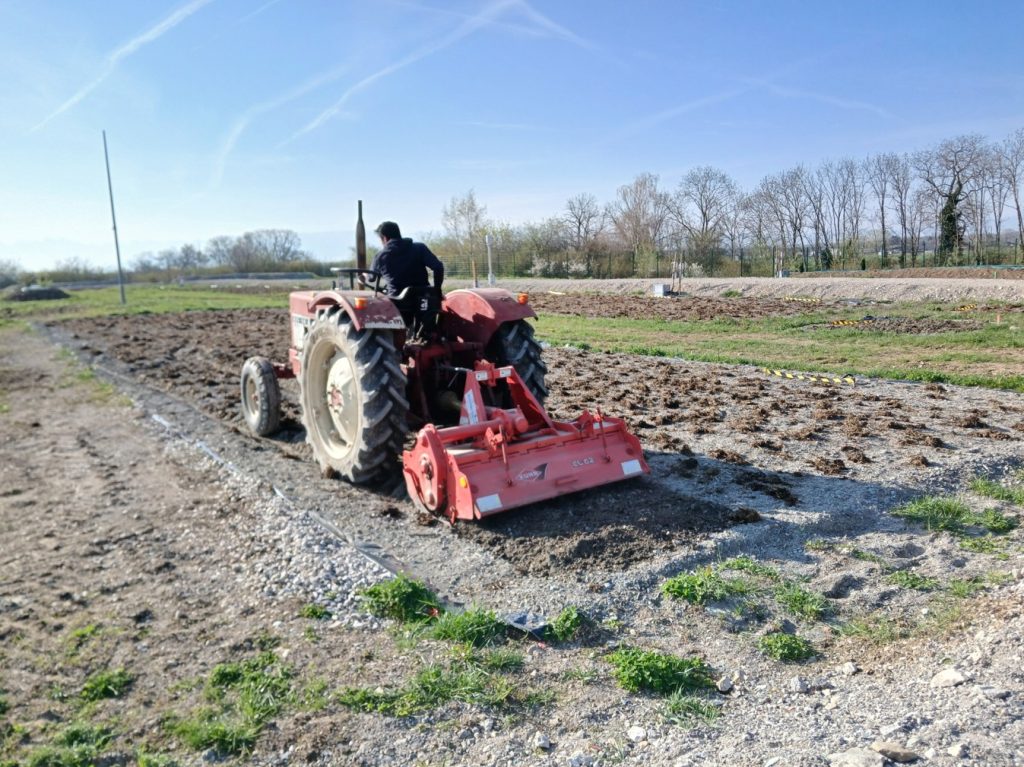
A two-step soil engineering process
01
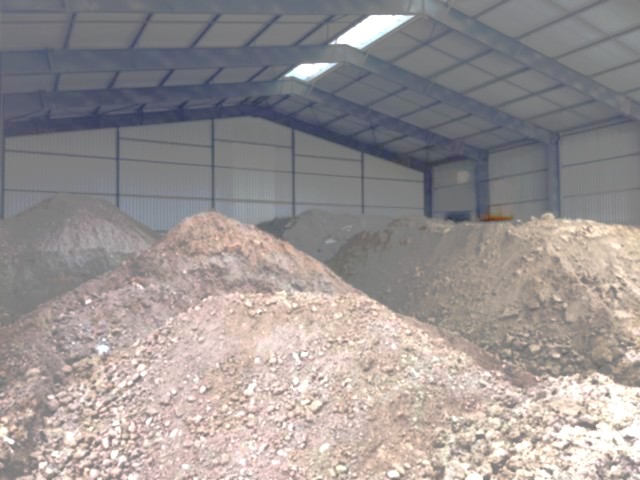
Definition of low organic matter soil formulations and processing methods
The first step focuses on defining planting substrates and soil formulations based on excavated molasse materials. This step aims to create an initial substrate that provides suitable conditions for the establishment of soil microbial communities, plant roots, and soil fauna.

02
Guiding soil structure and functional development
After installation, the second step is to co-create, together with plants and soil biota, the development of a stable soil structure and the associated soil functions essential for plant growth and long-term soil performance. This approach relies on seven key strategies:
Seven key strategies
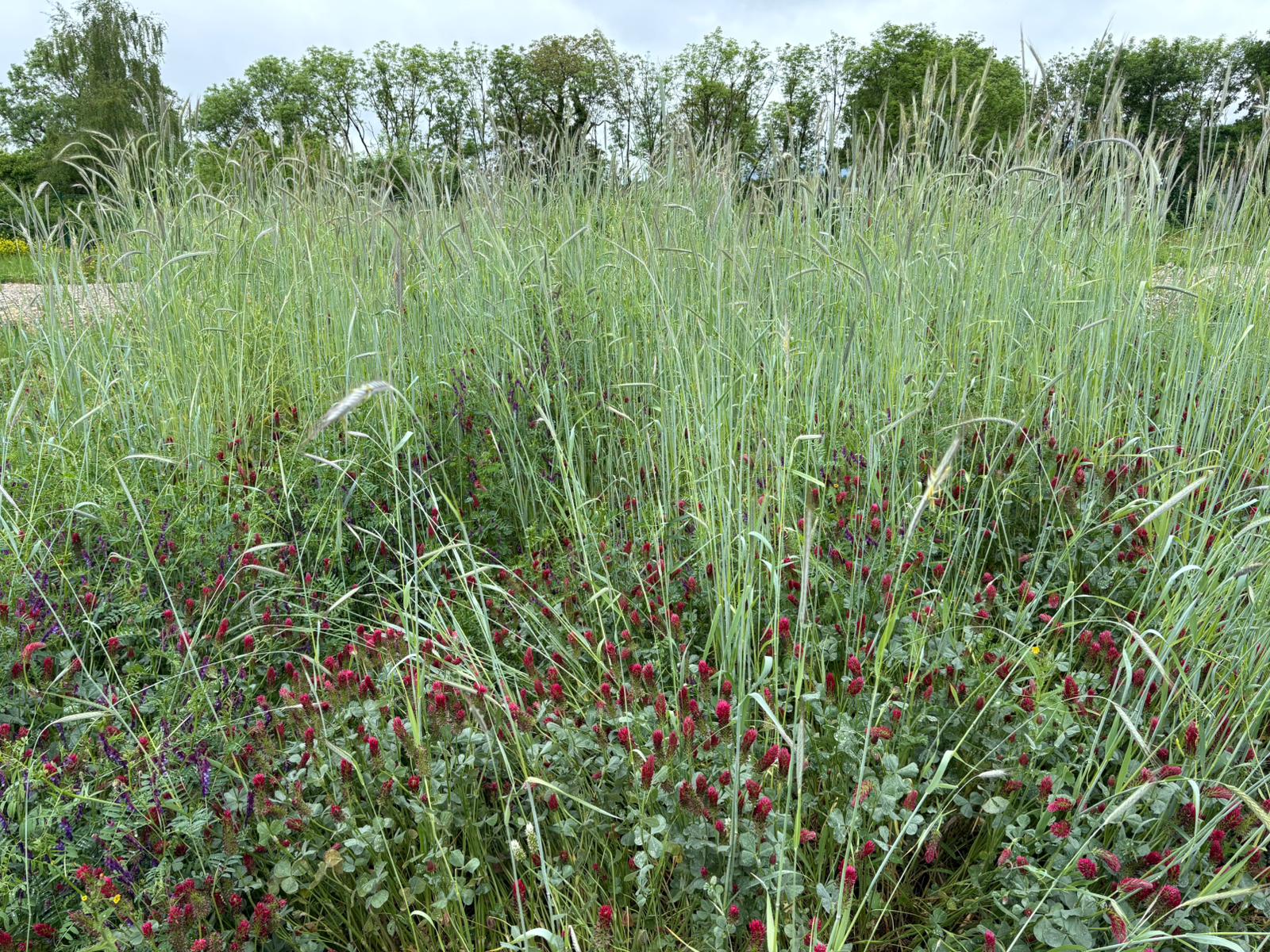
1. Diverse plant mixtures
with different root functions and architectures, enhancing the accumulation and stability of soil organic matter while increasing nutrient availability through biological nitrogen fixation and diverse plant residues.
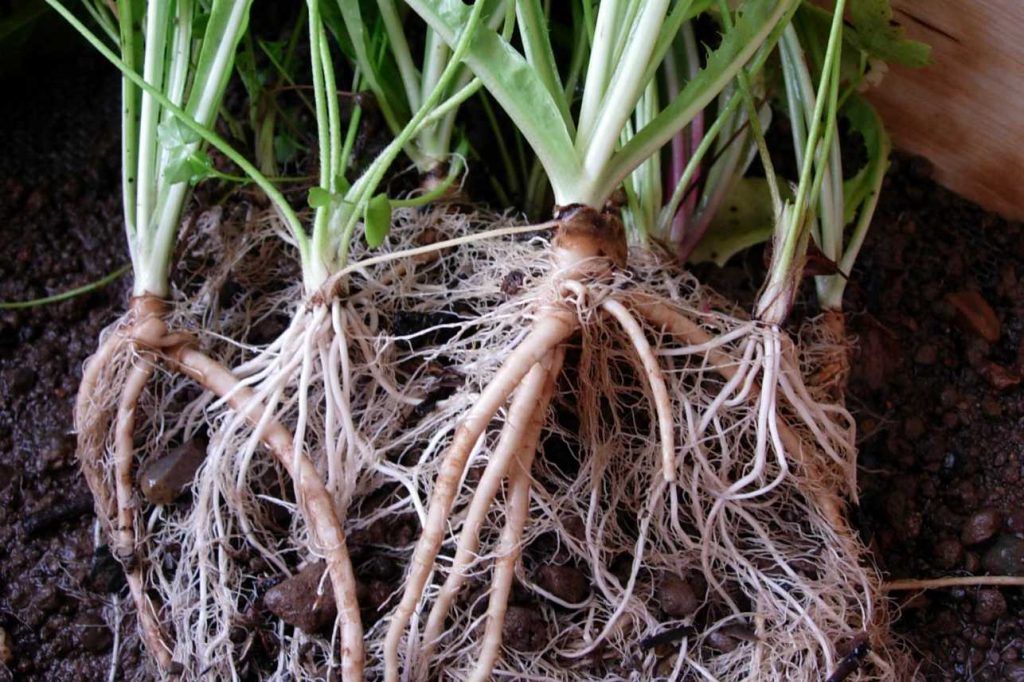
2. Extensive root systems
promoting the formation of biopores and improving soil aeration and water movement.
3. High-biomass plant species
capable of producing high above- and below-ground biomass, increasing organic matter inputs and supporting long-term carbon sequestration.

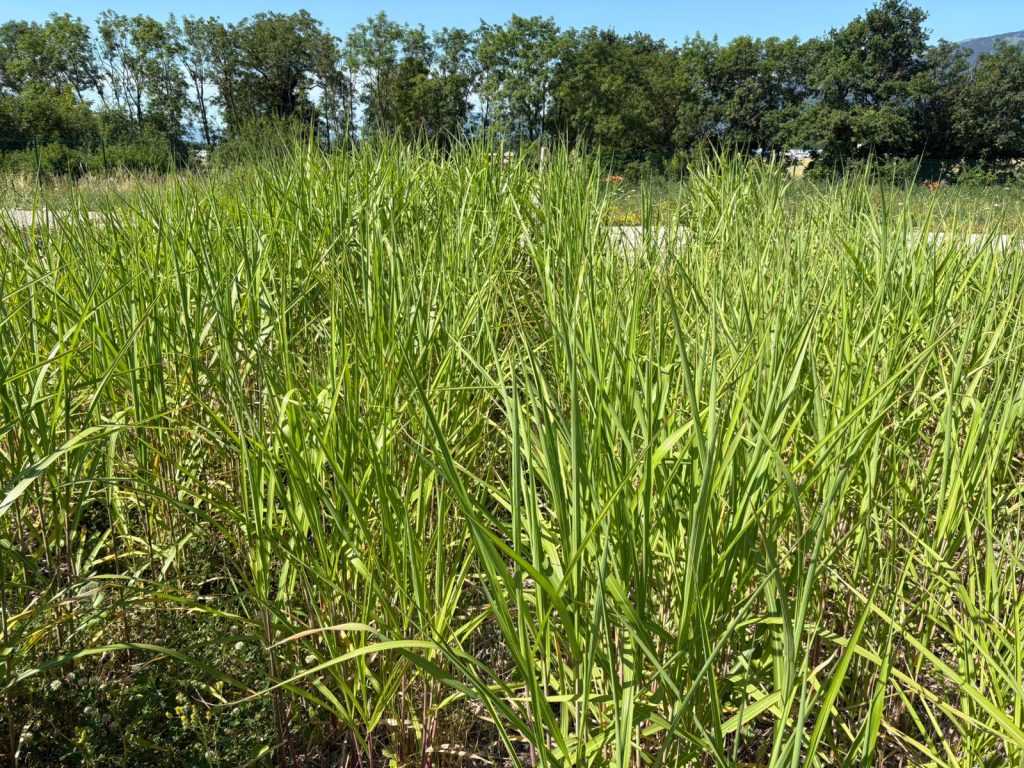
4. Perennial plant species
reducing periods of unvegetated soil and limiting soil tillage.
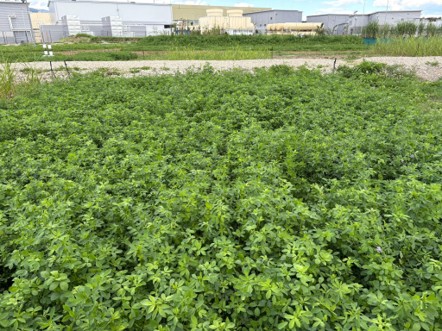
5. Leguminous plants
acting as pioneers on nutrient-poor constructed soils, fixing atmospheric nitrogen through symbiosis with microbes and supporting the development of soil fertility.
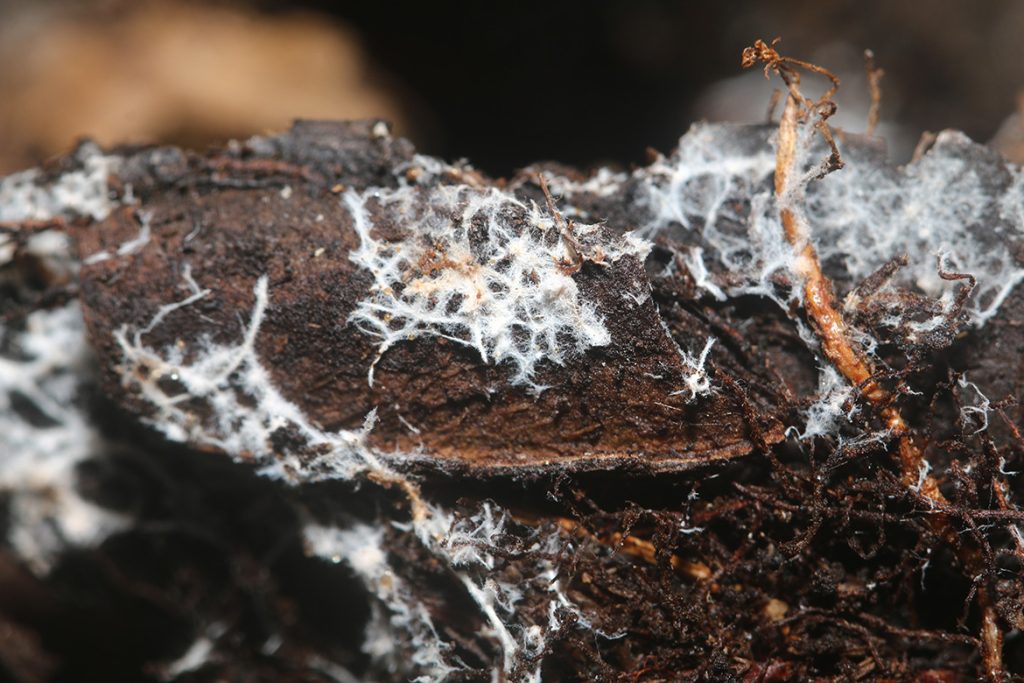
6. Specific microbial inoculants and partial soil transplants
supporting soil structure formation driven by the actions of natural microbial colonisers and their (symbiotic) interaction with plants.
7. Shallow tillage (maximum 8 cm depth)
restricted to annual-plant plots (otherwise no-till), promoting the formation of soil structure and the colonisation by soil biota, which can support organic matter accumulation.